
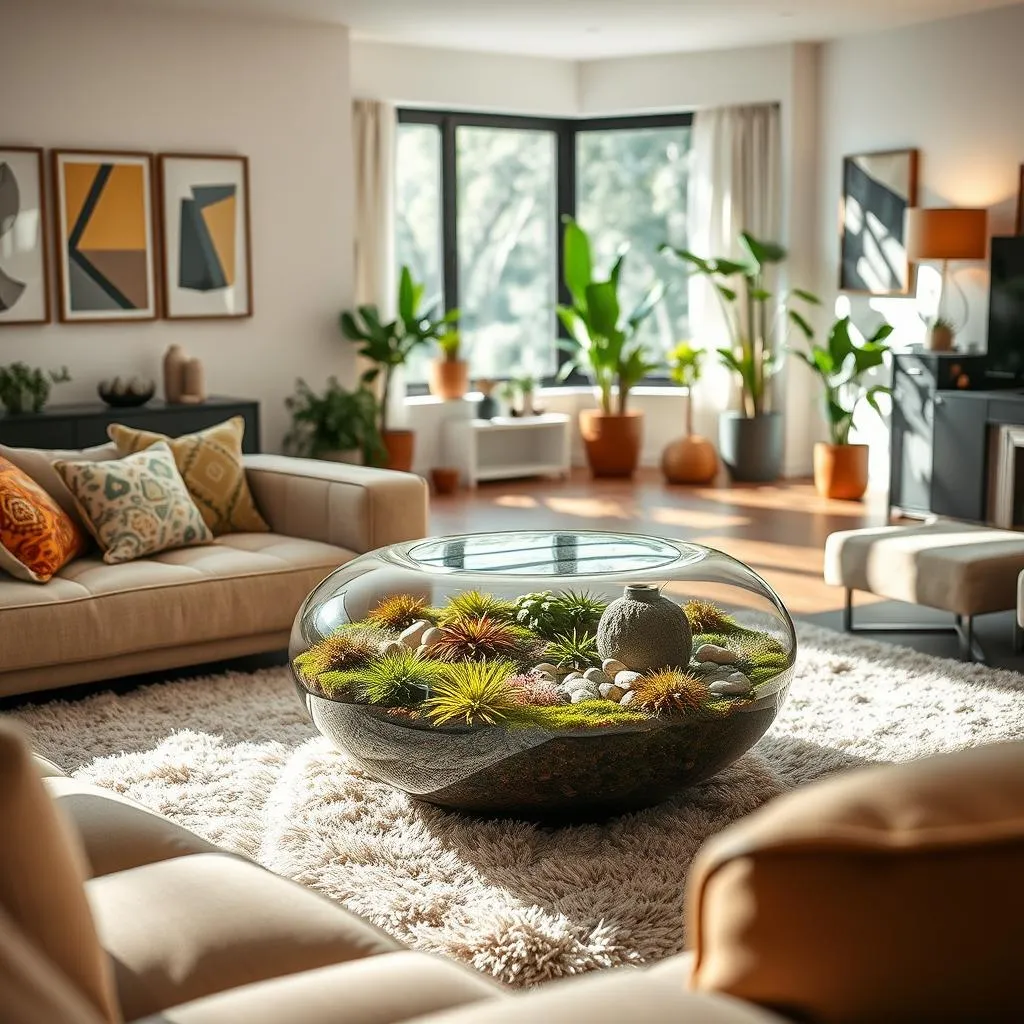
Welcome to Idea Create Zone guide on terrarium coffee tables for 2025. It’s perfect for homeowners, renters, and anyone who loves plants. We’ll show you how to make your living room a stunning botanical coffee table. We’ll look at styles, materials, and where to buy. You’ll learn about DIY options and how to keep your terrarium table looking great. We’ll cover everything from budget-friendly to luxury terrarium coffee tables.
Our article also includes styling and care tips. You’ll find out about eco-friendly options and where to buy new or secondhand terrarium tables. Our aim is to help you find the perfect terrarium coffee table for your home.
Why Terrarium Coffee Tables Are Trending in 2025
Terrarium coffee tables are becoming popular because they bring wellness into our homes. They allow us to enjoy plants without taking up too much space. Social media and TV shows have made these glass tables trendy, blending them into our living spaces.
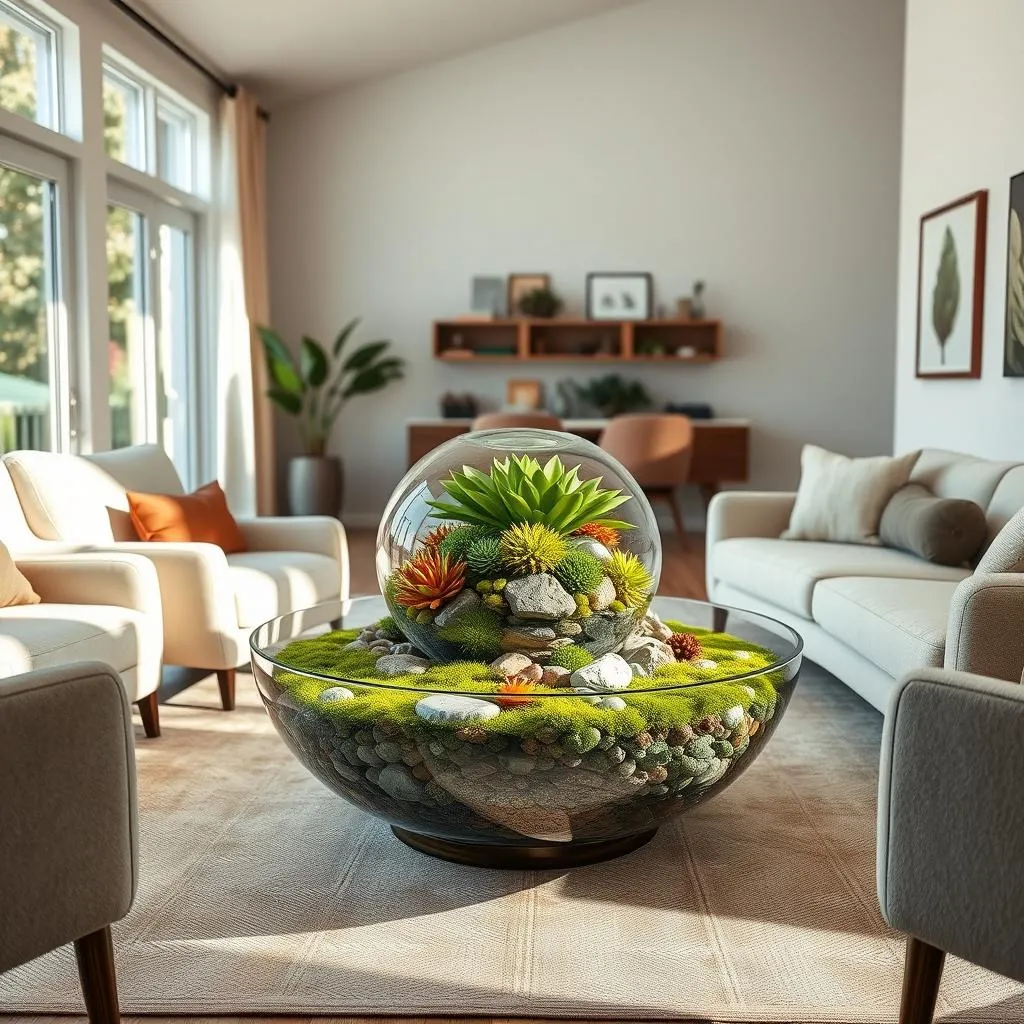
Designers are mixing nature with modern designs. They use durable glass and wood or metal frames that are good for the planet. This shows a shift towards materials and methods that are better for the environment. These tables are perfect for city living. They provide greenery all year and save space. They also become a conversation starter, thanks to their unique look.
They offer practical benefits too. Plants in terrariums can clean the air and add moisture. A terrarium coffee table can be more than just a table; it can be a centerpiece or a statement piece in open-plan rooms. The appeal of terrarium tables is broad. They can be seen as art, a piece of decor, or a practical planter. This versatility makes them a favorite among those looking for furniture that stands out but also serves a purpose.
|
Trend Driver |
What It Means |
Why It Boosts Terrarium Tables |
| Wellness-at-Home | Focus on health and calm interiors | Plants add calm, terrarium tables integrate care and display |
| Social Media Influence | Visual platforms popularize design looks | Glass terrarium visuals drive demand for plant display furniture |
| Sustainability | Buyers favor long-lasting, recyclable materials | Durable glass and responsibly sourced wood align with modern botanical design |
| Space Efficiency | Smaller homes need multifunctional pieces | Terrarium coffee tables offer greenery without using floor space |
| Decor Versatility | Desire for standout, flexible accents | Works as unique home decor and practical plant display furniture |
What to Look for When Buying a Terrarium Coffee Table
When picking a terrarium coffee table, start with materials and build. Opt for a glass top terrarium with tempered or laminated glass for clear and strong surfaces. Recycled glass is eco-friendly and keeps your plants in view. Make sure the design fits your room’s style. Look for glass paired with metal frames or sustainable wood.
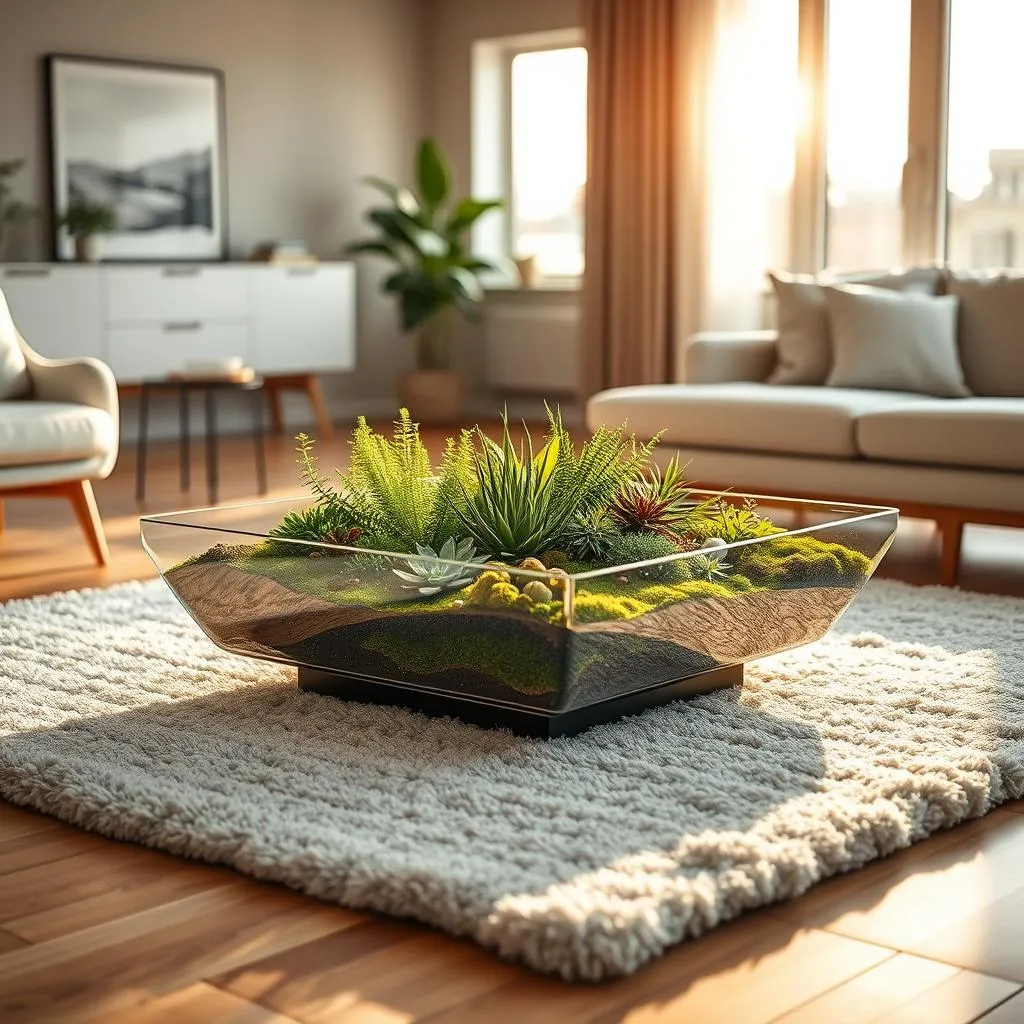
Key materials and construction features
Tempered glass is scratch and drop resistant. Laminated or recycled glass adds an eco-friendly touch. Metal frames, like powder-coated aluminum or stainless steel, offer a modern look and durability. Sustainable wood, such as reclaimed oak or bamboo, adds warmth and suits boho interiors.
Before buying, check for practical features. Hinged or removable tops make maintenance easier. Built-in drainage layers and replaceable liners protect your plants and simplify care. Integrated lighting and ventilation ports help control humidity in closed setups. Gasket seals keep moisture in.
Sizing and scale for different living rooms
- Measure your room’s layout before choosing a table. Coffee tables are usually 14–18 inches tall. Round tables, 30–36 inches in diameter, fit cozy spaces well.
- Rectangular tables, 36–60 inches wide, anchor larger sofas. Ensure enough space around the table for easy movement.
- Avoid overcrowding by leaving at least 18 inches between the table and other furniture. Match the table’s size to your sofa and rug for balance.
Maintenance and accessibility for indoor gardening furniture
Look for a table with removable glass panels or access doors for easy care. Lightweight tops make cleaning simpler. Modular inserts or replaceable plant beds refresh your display without replacing the whole table. When shopping, check for warranty and assembly details. Ask if live plants are included. Ensure components like liners or lighting are replaceable for easy upkeep.
Terrarium Coffee Table
A terrarium coffee table combines furniture and plants into one piece. It’s a low table with a glass top for viewing and protection. Designers use it to show off succulents, mosses, and small ferns in a neat way.
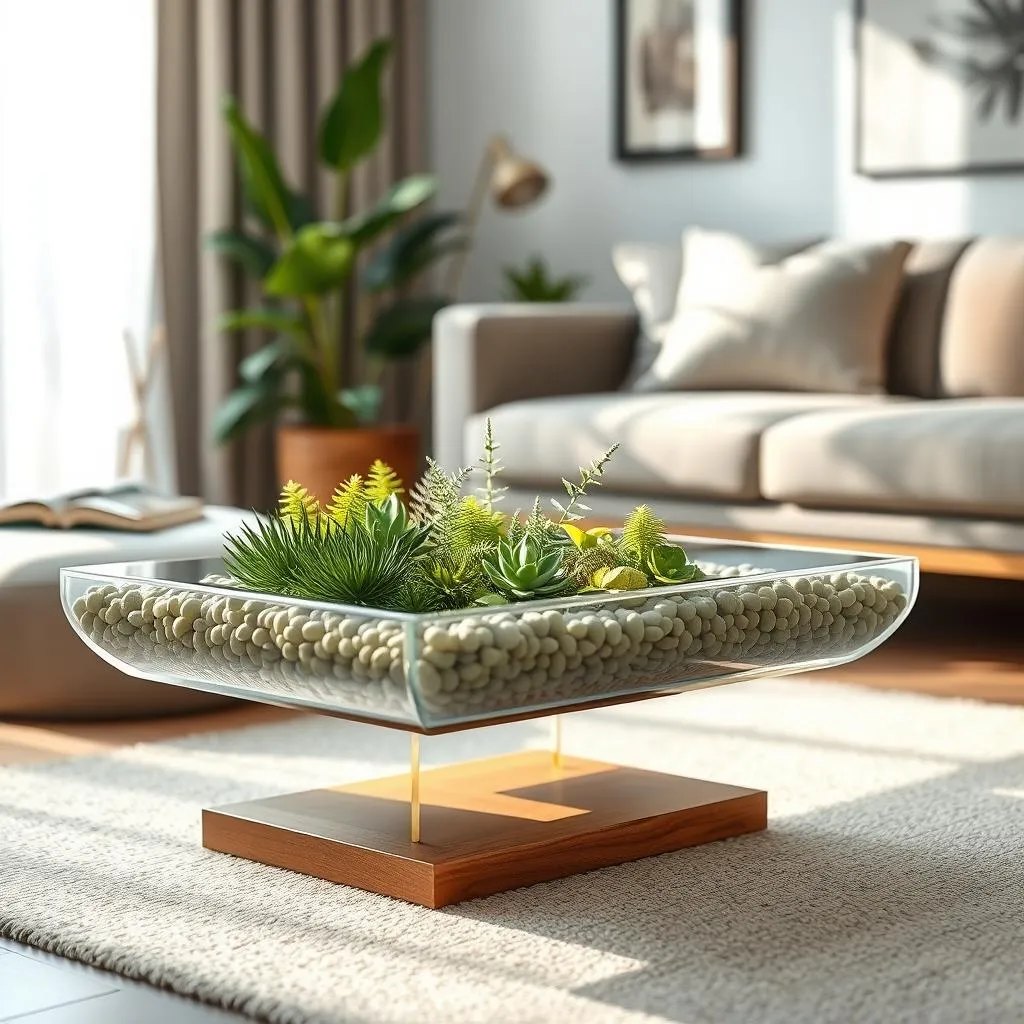
Defining features and common variations
It has a glass top, a planting bed inside, and a base for soil and drainage. Some have built-in lighting. Open designs are good for succulents, while closed ones keep humidity for tropical plants. Hybrid models have removable tops for easy care. You can swap displays with modular systems. Multi-level designs add shelves for layering plants and creating depth.
How it compares to smaller and broader table types
A terrarium end table is smaller and portable. It’s great beside a sofa or bed, fitting tight spaces. It offers a compact plant display without taking up too much room. A coffee table terrarium has a bigger planting area and makes a strong statement. It anchors the seating area and invites close viewing. General terrarium tables come in various sizes, changing how plants and light interact with people.
| Type | Typical Size | Best Use | Plant Types |
| Terrarium end table | Small (18–24″ wide) | Bedside, narrow spaces, accents | Succulents, small ferns |
| Coffee table terrarium | Medium to large (36–60″ wide) | Living room centerpieces, seating focal points | Mixed displays, moss gardens, tropical pockets |
| Table terrarium (console/dining) | Varied, often tall or long | Entryways, dining surfaces, display zones | Ornamental shrubs, trailing plants, showpieces |
Placement tips for the living room
Put a terrarium table in the center of a seating group. It makes a great focal point. Place it in front of the sofa for easy viewing. Choose a spot based on light levels. Situate it near a window for bright, indirect light. Avoid harsh midday sun unless plants can handle it. If using integrated lighting, ensure it’s near a power outlet and plan cable runs safely.
Top Modern Terrarium Design Styles for 2025
Terrarium coffee tables have evolved into distinct styles. Each style blends plant display with furniture design. This creates focal points that feel intentional and lived-in.
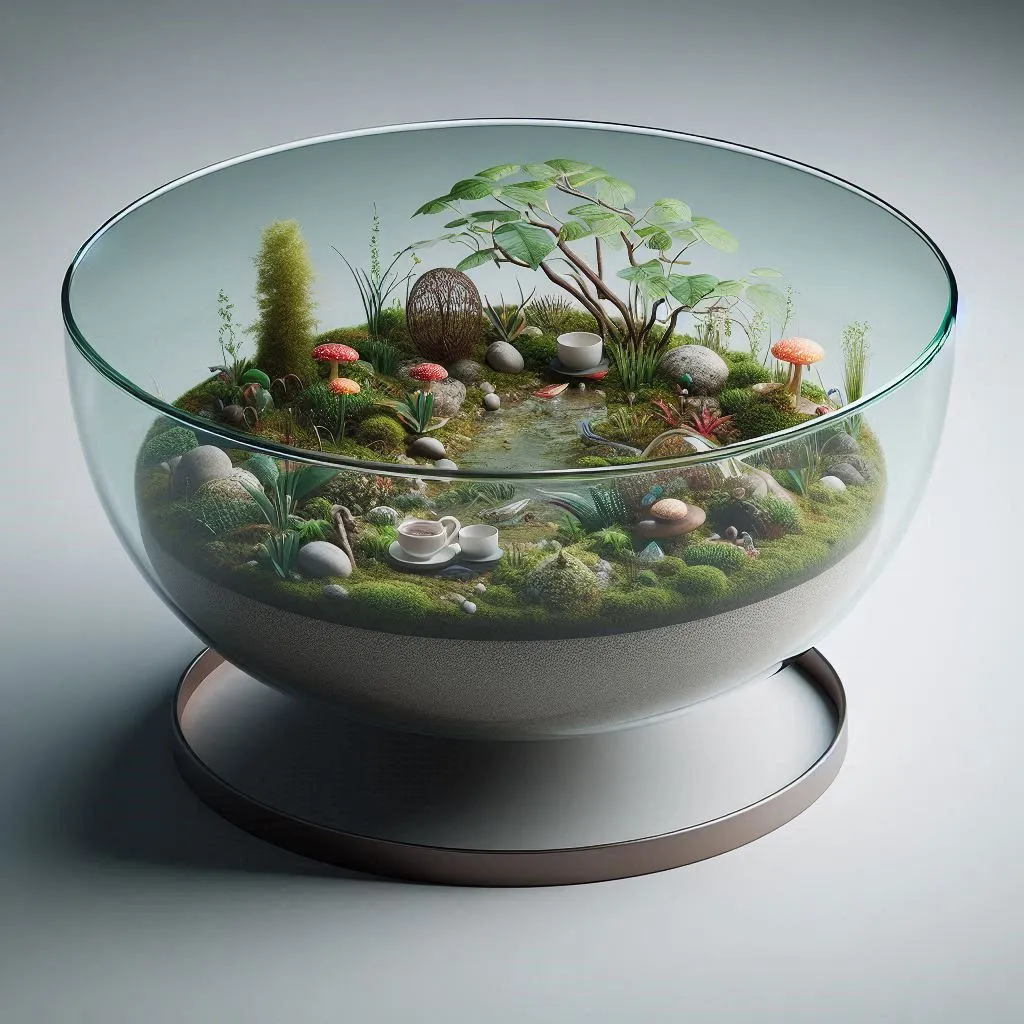
- Sleek modern terrarium designs focus on clear glass and thin metal frames. They come in black or brass. Geometric bases and neutral plants like succulents keep the look minimal. Integrated LED lighting turns the piece into a gallery-like display. Brands like West Elm and Article offer these styles. They match contemporary urban lofts and clean-lined interiors.
- Boho and natural styles use curved shapes and warm reclaimed wood terrarium bases. Woven accents add texture. Layered plants with trailing vines and ferns create movement. Pair these tables with jute rugs and rattan seating for an organic look. Etsy artisans and independent furniture makers create unique pieces. They use reclaimed wood for those seeking something special.
- Retro and mid-century inspired terrarium coffee tables have tapered wooden legs and walnut finishes. Rounded edges bring them back into style. These tables work well with sculptural plants like snake plants and ZZ plants. Vintage shops and major retailers like Wayfair carry these options. They offer nostalgia without feeling dated.
Match each style to its setting: sleek modern terrarium pieces suit city condos and minimalist schemes. The reclaimed wood terrarium fits organic and boho homes. Retro terrarium coffee tables complement classic living rooms seeking warmth and charm.
Choosing the right modern terrarium design makes your living room feel cohesive and personal.
Glass Table Terrarium Ideas That Wow
Choose a glass table terrarium to bring living art into your living room. A clear glass top terrarium lets you see every plant layer and tiny scene. Tempered safety glass keeps it safe while letting light in for plants.
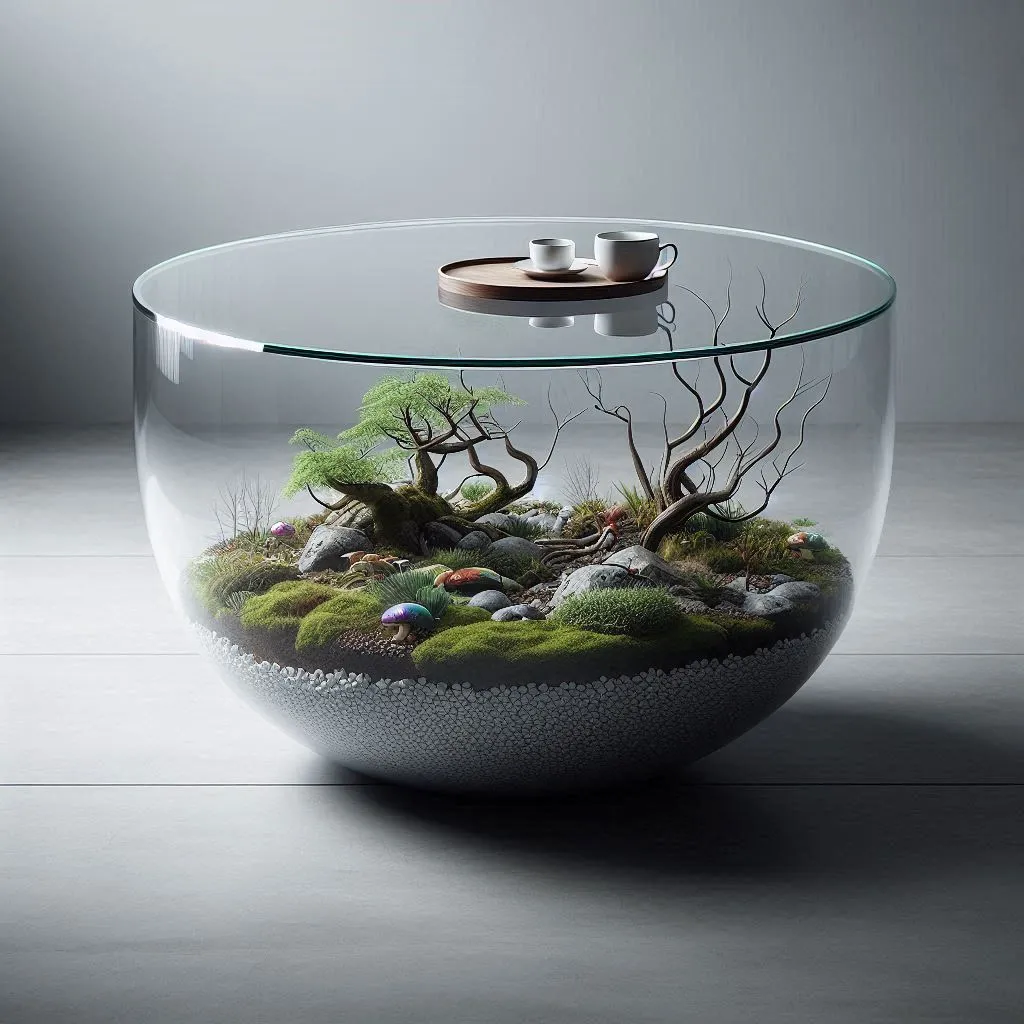
For mood and softness, try a frosted glass terrarium. Frosted or tinted glass reduces glare and hides soil edges. A tint adds warmth, perfect for wood furniture and botanical decor.
Clear display tips:
- Use layered substrates: drainage pebbles, activated charcoal, and potting mix for closed setups.
- Arrange focal plants with lower companions to keep sightlines open under a glass top terrarium.
- Add decorative stones or driftwood to create depth without clutter.
Frosted and tinted ideas:
- Frosted panels for softened silhouettes in minimalist rooms.
- Lightly tinted glass to introduce color mood while hiding messy edges.
- Mix clear and frosted panes for contrast and layered privacy.
Lighting changes a glass terrarium table at night. Use integrated LED strips, puck lights, and RGB mood fixtures. Warm-color LEDs support plant rhythms and avoid heat stress. Choose low-heat LED fixtures from brands like Philips Hue for safe, controllable lighting. Make sure vents or gap seals let heat escape. Proper ventilation prevents moisture buildup and keeps plants healthy in a glass top terrarium.
For a polished look, balance functional elements with botanical decor. Keep plant heights varied, leave walking room around the table, and use accents that echo living-room finishes. A well-composed glass terrarium table turns a corner into a curated, living display.
Round Terrarium Table Designs for Cozy Living Rooms
A round terrarium table adds a cozy touch to small living rooms. Its curved shape makes moving around easier and creates a friendly spot for chats. It’s perfect as a centerpiece, balancing the room without taking over.
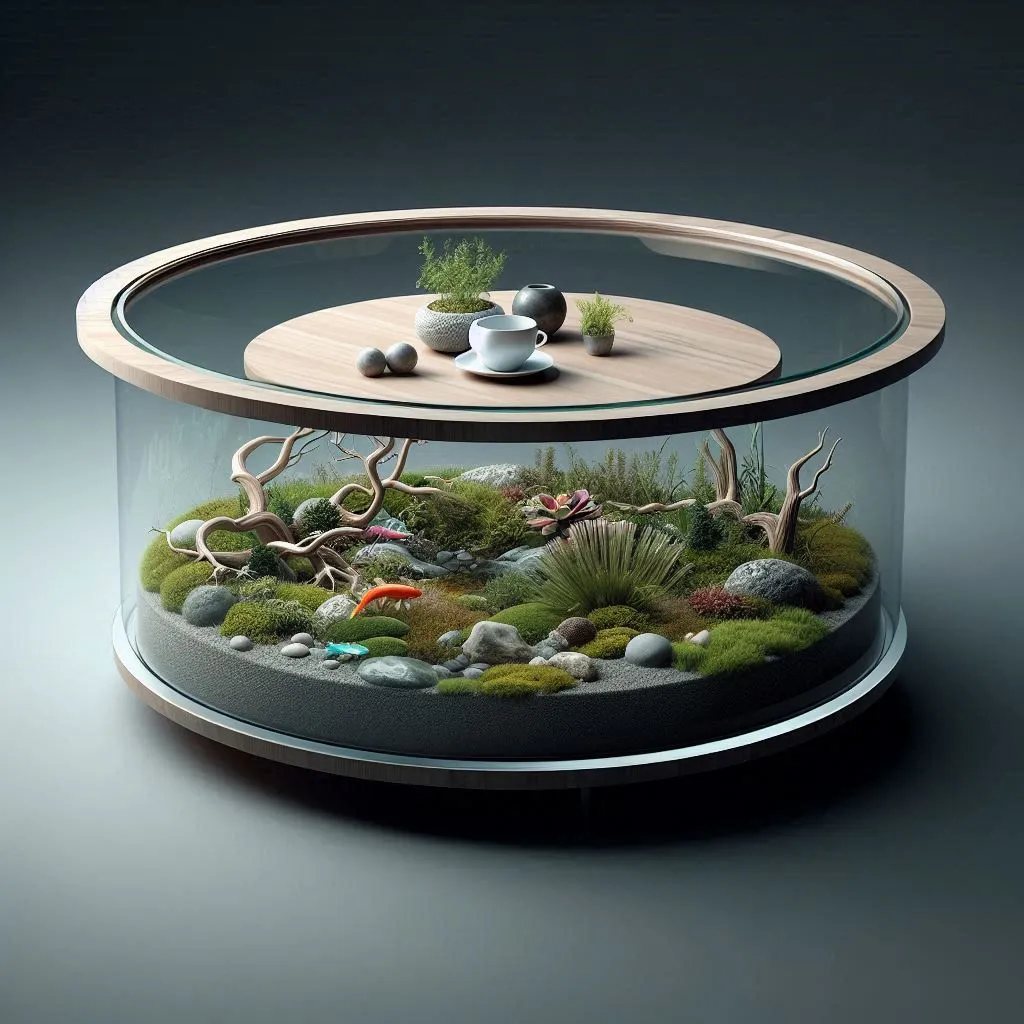
Its soft edges are great for homes with kids or pets, as they reduce accidents. The table’s round shape allows for even seating, improving views and conversation. Inside, you can layer plants for depth and interest. Use tiered trays or concentric rings to separate plants. This way, small plants and tall ones can coexist beautifully.
For a low-maintenance look, center the table with succulents. Add string-of-pearls around the edge and moss at the bottom. This setup keeps plants from getting too crowded and adds height. Choose a table size between 30 and 36 inches for small spaces. Lighter finishes, like ash wood or brushed brass, make the table feel light and airy. Place the table on a round rug to tie the room together. Add mirrors or glass to reflect light, making the room feel bigger and the plants stand out.
Here’s a quick guide to help pick the right round terrarium table for your space.
| Design Feature | Best For | Plant Suggestions |
| Single-level open bed | Minimalist rooms and easy maintenance | Haworthia, small echeveria, moss |
| Tiered interior trays | Visual depth and mixed heights | Sempervivum center, sedum mid-tier, string-of-pearls edge |
| Concentric planting rings | Curated displays with clear focal point | Center aloe, middle rosettes, trailing vines at rim |
| Inset risers with lighting | Evening ambiance and staged growth | Small ferns, low shrubs, LED-friendly succulents |
Creative Plant Choices for Your Terrarium Coffee Tables
Choosing plants for a terrarium coffee table is all about balance. Pick species that match the light, humidity, and size of the table. Mix sculptural forms, soft groundcovers, and tall accents for contrast. This makes your table feel intentional and easy to care for.
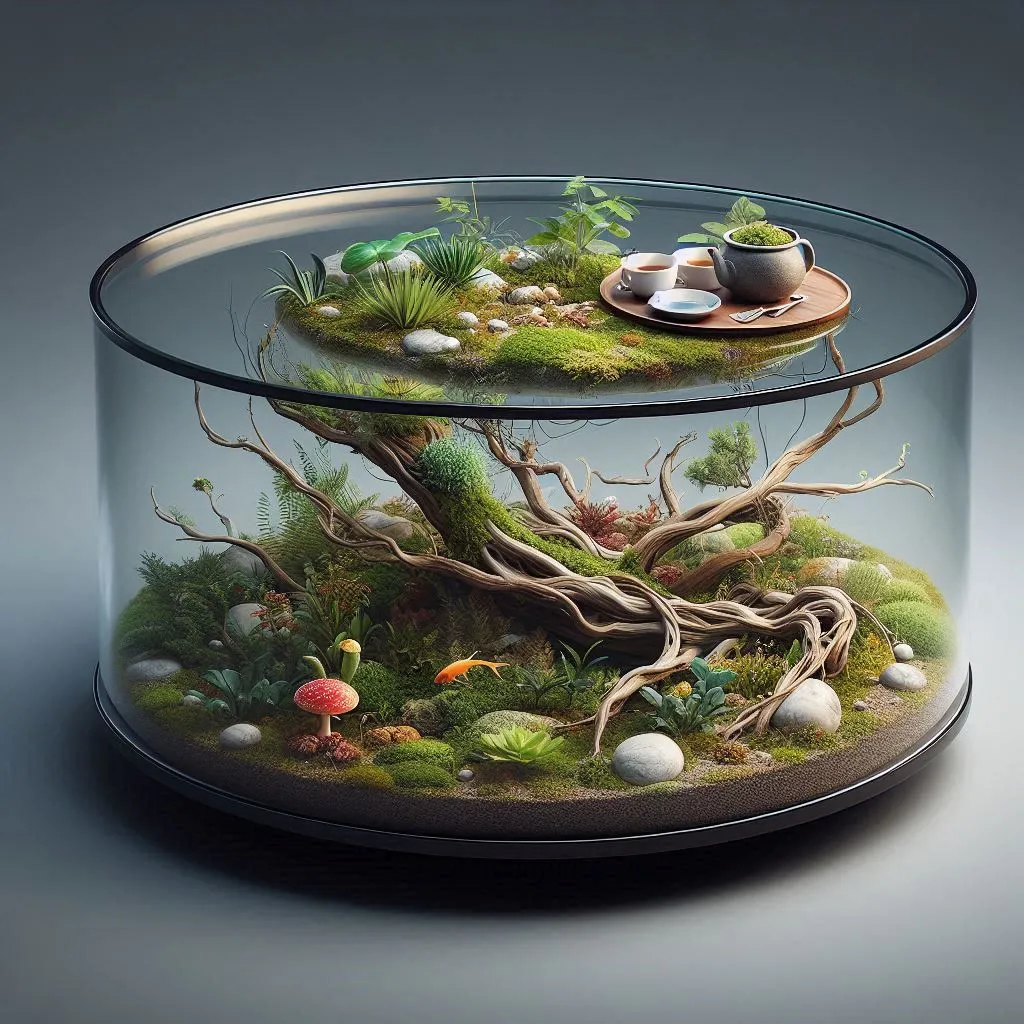
Best succulents and cacti for low-maintenance displays
Echeveria, Haworthia, Sedum, Crassula (jade), and small Mammillaria or Rebutia cacti are great for a succulent table. They need little water, add sculptural shapes, and resist crowding. For a bright room, arrange them on raised driftwood or stones for depth.
Tropical and humidity-loving plants for closed glass terrariums
Fittonia (nerve plant), Pilea, Selaginella, small ferns, Baby Tears (Soleirolia), and compact Peperomia varieties thrive in high humidity. They do best in closed, glass-top coffee table terrariums with indirect light. Group plants with similar moisture needs to keep care simple and prevent rot.
Mixing textures: mosses, ferns, and miniature shrubs
Combine fine sheet moss or cushion moss with tiny ferns and dwarf shrubs for layered texture. Place low groundcovers near the front to hide substrate. Put taller pieces toward the center or rear for open sightlines. Add small stones, bark, or miniature hardscape elements for contrast.
Placement and planting tips
Place taller plants toward the center or rear, and trailers near edges to drape over the glass. Keep low groundcovers along visible edges to hide substrate. Avoid aggressive rooters like large ficus varieties in a small coffee table terrarium. Make sure plant size fits the terrarium dimensions to prevent overcrowding.
Soil and care reminders
Match plant moisture and light needs before combining species in a plant display table. Use sterile mixes: a gritty cactus mix for succulents, and peat-based or loam blends for tropical terrarium plants. Water sparingly for succulents and maintain higher humidity cycles for closed setups. Prune and remove dead material promptly to keep terrarium coffee tables healthy.
| Plant Type | Top Picks | Light | Water | Best Use |
| Succulents & Cacti | Echeveria, Haworthia, Sedum, Crassula, Mammillaria, Rebutia | Bright, indirect to direct | Low; well-draining mix | Succulent table or open coffee table terrarium |
| Tropical Humidity Plants | Fittonia, Pilea, Selaginella, small ferns, Baby Tears, Peperomia | Indirect light | Moderate to high; closed terrarium | Closed coffee table terrarium with consistent humidity |
| Mosses & Groundcovers | Sheet moss, cushion moss, Soleirolia | Low to indirect | Moderate; keep moist for moss terrarium | Understory layer for texture and soil cover |
| Small Ferns & Shrubs | Crested ferns, Asplenium, dwarf shrubs | Indirect light | Moderate; prefers humidity | Height and structure in mixed terrarium coffee tables |
| Hardscape Elements | Decorative stones, bark, driftwood, miniature figurines | N/A | N/A | Add contrast, support plant positioning, and define zones |
DIY Table Terrarium Projects and Customizable Options
Building a table top terrarium is a fun way to add greenery to your living room. It’s perfect for weekend makers and new plant owners. Start by planning the size, plants, and how to access it.
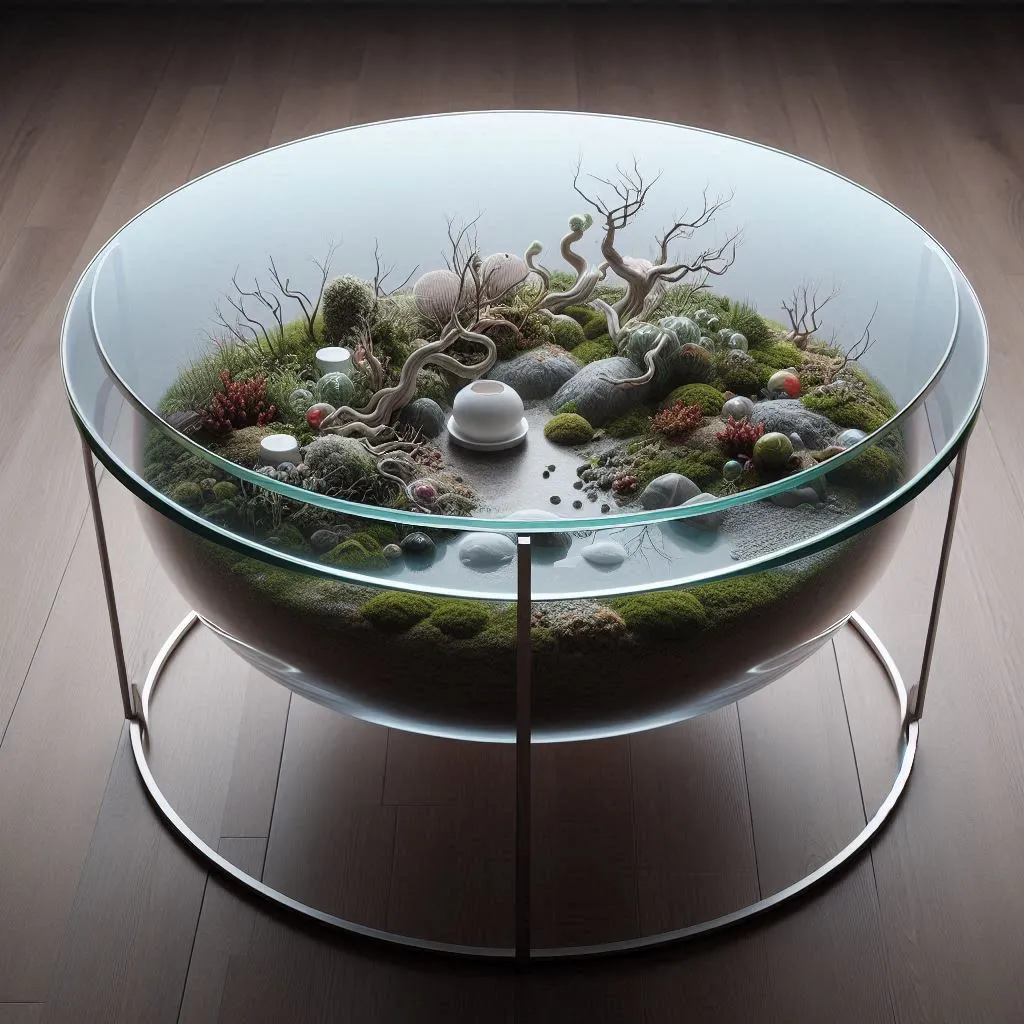
Step-by-step basics to build a table top terrarium
- Choose a strong table frame that can hold glass and soil. Measure the opening well. You can order pre-cut tempered glass or have a local glazier cut and temper it for you.
- Use small pebbles for drainage, then add a thin layer of active charcoal to prevent odors and mold. Pick a soil mix that drains well, based on your plants. Add succulents, ferns, or mosses, and rocks or driftwood for decoration.
- Finish with a glass cover that you can remove to water and prune. Seal the edges to keep water out. Use rot-resistant timber or sealed plywood for the frame to last longer.
Customizable terrarium furniture: modular inserts and replaceable tops
- Modular inserts make planting and care easy. Look for units with removable trays for easy soil or plant changes. Interchangeable tops let you change the glass type for different looks.
- Lighting modules can be added for evening displays. West Elm and CB2 offer pieces with these features. Etsy or custom shops can make unique tops and inserts for you.
Budget-friendly DIY vs. premium ready-made terrarium tables
Prices vary a lot. A DIY table using reclaimed wood and thrifted legs can cost under $200. Ready-made terrarium furniture from big retailers costs between $300 and $700.
Designer and custom terrariums can cost over $1,500. They often include special glass, lighting, and hardwoods. Buy tempered glass and hardware locally and plants from The Sill or Bloomscape.
| Option | Typical Cost | Pros | Cons |
| DIY reclaimed materials | Under $200 | Low cost, highly customizable | Time investment, tool needs |
| Mass-market ready-made | $300–$700 | Convenient, warranty options | Limited customization |
| Designer custom build | $1,500+ | Premium materials, tailored design | High cost, longer lead time |
When buying a terrarium table, check the materials, drainage, and lighting. Make sure it’s safe around glass and electrical parts. Use sealed cabling and waterproof fittings for lights or pumps. Deciding between DIY and store-bought terrarium furniture depends on your budget and customization needs. Modular furniture offers flexibility and keeps things stylish and functional.
Where to Buy: Terrarium Coffee Table for Sale and Terrarium Table for Sale
Finding the perfect terrarium coffee table can be tough. Start by making a list of what you want: size, glass type, frame material, and if plants are included. This helps when looking online or at local shops.
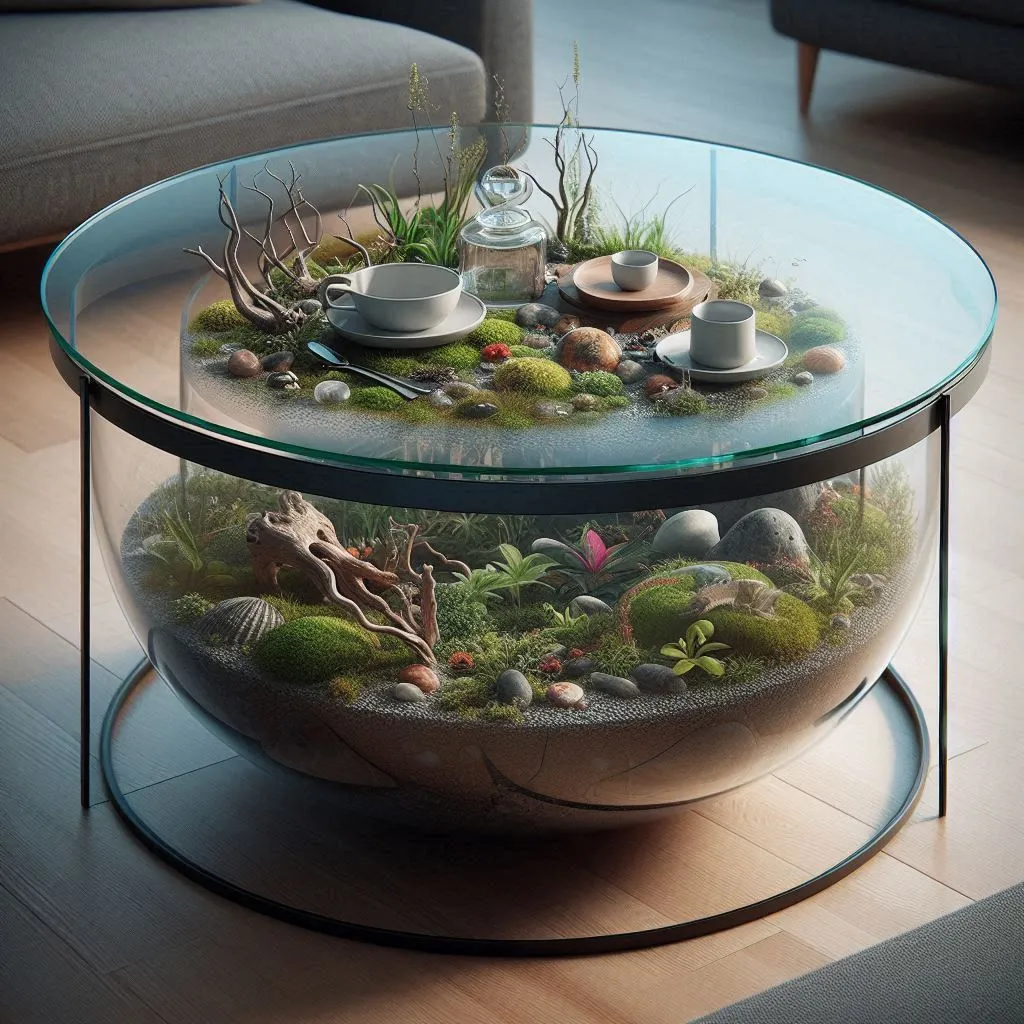
Online marketplaces have lots of options and fast delivery. Look at Wayfair, Amazon, and Etsy for unique pieces. Big stores like West Elm, Crate & Barrel, Pottery Barn, and Article have modern styles. Make sure to check the dimensions, materials, and return policies.
Specialty retailers specialize in plant furniture and offer great advice. Small shops and terrarium makers on Etsy and greenhouse brands are good places to start. Ask about the glass, weight limits, and if it’s tempered for safety.
Before buying, ask sellers these important questions:
- What materials and glass are used, including if it’s tempered and how thick.
- About the weight, if you need to assemble it, and if they offer delivery or installation.
- Which plants come with it and how to care for them.
- About the warranty, what it covers, and their return and shipping policies.
Looking for secondhand terrarium tables can be rewarding. Check Facebook Marketplace, OfferUp, Craigslist, local thrift stores, and vintage shops. Make sure to inspect for any damage or wear.
For heavy or fragile tables, consider professional delivery or pickup. Many stores offer white-glove service to protect your purchase. This ensures it arrives safely and is placed correctly in your home.
When choosing, think about the price, durability, and service. A secondhand table might need repairs. New tables from Wayfair, West Elm, or Pottery Barn come with support and clear return policies. Use this to decide what’s best for your budget and needs.
Product Review: Best Terrarium Coffee Tables for Different Budgets
Choosing the right terrarium coffee tables depends on price, features, and lifestyle. This review groups top options into clear tiers so you can match a piece to your home. Use the quick guide below to compare what matters: build quality, plant compatibility, maintenance needs, and look.
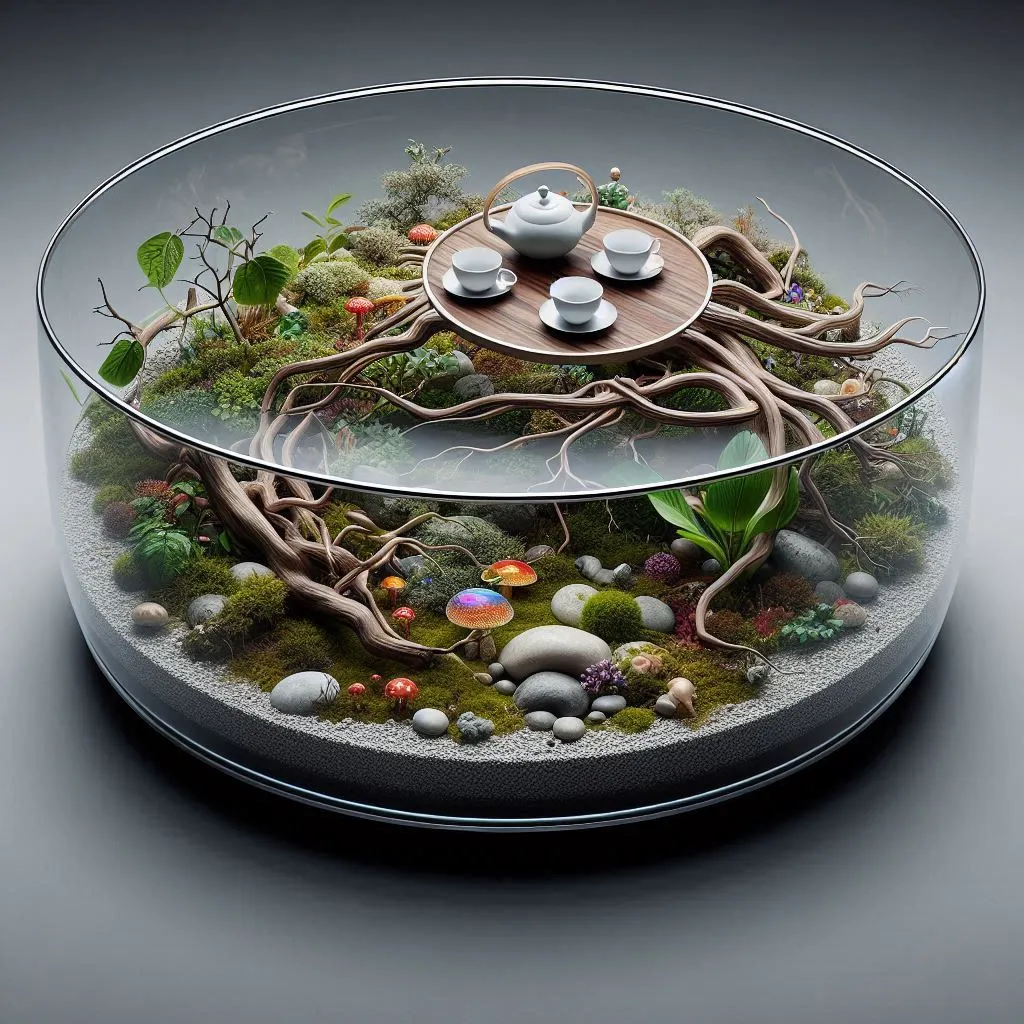
Entry-level options for starters
Entry-level terrarium table picks under $400 include mass-market glass-top coffee tables that double as planters and DIY kits from mainstream retailers such as IKEA and Wayfair. Expect basic glass tops, simple metal or engineered-wood frames, limited warranty coverage, and models often sold without plants.
These choices work well for renters and beginners trying plant lover’s furniture without a big commitment. You may need to add your own soil mixes, drainage layers, and a few succulents or air plants to finish the look.
Mid-range selections with smarter features
Mid-range terrarium table models priced from $400 to $1,000 bring sturdier metal or engineered-wood frames and thoughtful access points. Typical features include tempered glass tops, integrated LED lighting, access panels for pruning, and substrate or drainage solutions that simplify care.
Retailers such as West Elm and Crate & Barrel offer lines with replaceable planters and clearer warranties. These mid-range terrarium coffee tables balance style and longevity for households that want a reliable, low-maintenance display.
Luxury pieces for design-focused buyers
Luxury terrarium coffee table options start above $1,000 and include designer and custom-built pieces from high-end studios and bespoke furniture makers. Expect premium materials such as solid walnut, brass frames, and custom glass thickness. Some models add climate control, humidity systems, and professional planting by horticulturalists.
Collectors who want plant lover’s furniture as an heirloom piece will appreciate white-glove delivery and installation. These tables serve as living art and often include extended warranties and service packages.
Selection criteria to weigh
- Durability: look for tempered glass and corrosion-resistant frames.
- Warranty: compare coverage for glass, frames, and any electronics.
- Ease of maintenance: choose access panels and drainage for simple care.
- Plant compatibility: assess depth and light for succulents, ferns, or tropicals.
- Aesthetic fit: confirm scale and finish match your living room decor.
Match your budget to your lifestyle
If you are budget-conscious or new to indoor gardening, an entry-level terrarium table is a low-risk way to experiment. If you want features and a longer lifespan, opt for a mid-range terrarium table with lighting and better materials.
Choose a luxury terrarium coffee table when you value craftsmanship, custom planting, and integrated climate features. Each budget tier offers a clear path to stylish plant displays that enhance your living room. Work green with desk aquarium companion.
Styling Tips: Making a Terrarium Table the Living Room Centerpiece
Imagine how the terrarium will look in your room. A terrarium table looks best when it matches the room’s colors and textures. Try using warm wood frames with earthy greens and terracotta for a cozy feel.
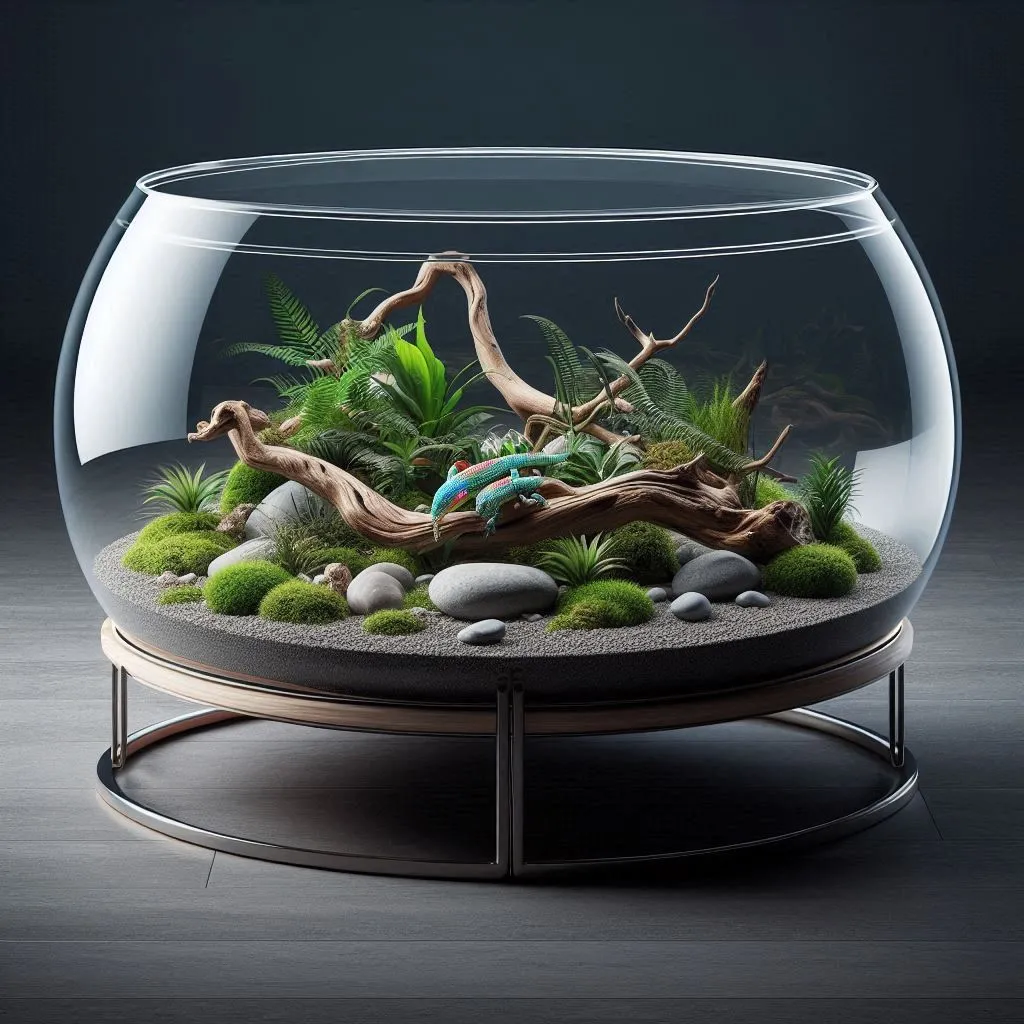
Pairing colors and textures with your existing decor
Match the metal frames of the table with your lamps and cabinets. Add woven throws, matte pottery, and ceramic planters for texture. Use bright chartreuse for contrast and deep green for calm.
Using plant display table as focal point without overwhelming space
Put the table in the main seating area to make it the centerpiece. Keep space around it to let the plants shine. If your room is small, choose a round or low glass terrarium table.
Accessorizing around a terrarium coffee table: rugs, art, and seating
Choose a low rug to anchor the area and place artwork at eye level. Arrange seating to frame the table, like a sofa with chairs or an L-shaped couch. Place one or two neutral objects on the table, like coasters or a small tray. This keeps the plants in focus. Change out seasonal stones or small ornaments to update the look without harming the plants.
| Styling Element | Practical Tip | Best Match |
| Frame Finish | Match to light fixtures and hardware for cohesion | Brass or matte black for modern rooms; oak for warm schemes |
| Rug | Use a low-pile rug that won’t hide the table’s base | Neutral tones or subtle geometric patterns |
| Seating Layout | Frame table with seating to create focus | Sofa plus two chairs or L-shaped sectional |
| Plant Choices | Rotate seasonal species and balance heights | Succulents for low care, ferns for humidity-friendly glass top setups |
| Accessories | Keep accents minimal and plant-safe | Coasters, small tray, or a single ceramic piece |
| Lighting | Use complimentary lamps or integrated LEDs for evening mood | Warm LEDs for living room centerpiece appeal |
Maintenance Guide for Long-Lasting Terrarium Coffee Tables
To keep your terrarium coffee table healthy, follow a simple routine. Check the soil moisture weekly and add water as needed. This habit helps prevent problems and keeps your terrarium looking great.
Watering schedules and humidity control for glass terrarium table
- Watering your terrarium depends on the plants inside. Succulents and cacti need water every 2–6 weeks. Closed terrariums might need misting once a week or less. Always check the soil moisture before adding water.
- Use a drainage layer like coarse gravel or LECA to prevent rot. Add a thin layer of activated charcoal to reduce odors. For humidity, use a hygrometer to keep the right level for your plants.
Light, pruning, and pest management for indoor gardening furniture
Most terrarium plants love bright, indirect light. If your windows are shaded, use an LED grow light. Choose LEDs from Philips or GE for safe, reliable lighting. Pruning keeps your terrarium plants looking good. Use clean tools to remove dead leaves. Sterilize your tools with isopropyl alcohol to avoid disease.
Check your plants weekly for pests like fungus gnats and mealybugs. Use sticky traps for flying pests. Treat small infestations with neem oil or insecticidal soap. Quarantine new plants for two weeks before adding them to your terrarium.
Seasonal care and cleaning of glass top terrarium surfaces
Do a deep clean every 12 months. Remove plants if needed, refresh the soil, and check seals and lighting. Replace or clean the activated charcoal and drainage materials when refreshing the layers.
To clean the glass without harming your plants, use a mild solution of water and white vinegar. Wipe the interior glass with a soft cloth during deep cleanings. Use tray liners or coaster pads to protect floors and upholstery from spills.
| Task | Frequency | Tools / Materials | Notes | |
| Soil moisture check | Weekly | Moisture probe or finger test | Only water when top 1″ is dry; avoid overwatering | |
| Light assessment | Monthly | LED grow light, timer, light meter | Adjust distance and duration as seasons change | |
| Pruning and grooming | Every 4–8 weeks | Sterile scissors, tweezers, alcohol | Trim to maintain design proportions and airflow | |
| Pest inspection and treatment | Weekly | Sticky traps, neem oil, insecticidal soap | Isolate affected plants; treat early to prevent spread | |
| Refresh soil and drainage | Every 12–24 months | New potting mix, activated charcoal, coarse gravel | Replace layers to prevent compaction and odors | |
| Cleaning glass terrarium table | Exterior: monthly | Interior: seasonally | White vinegar, microfiber cloth, soft brush | Use non-toxic cleaners; remove plants for deep interior cleaning |
| Protect surrounding furniture | During moves or heavy watering | Coaster pads, tray liners, lift helpers | Lifting protocols reduce risk to floor and upholstery |
Sustainable and Eco-Friendly Terrarium Table Options
Choosing a sustainable terrarium table helps the environment. Opt for timber that’s reclaimed or FSC-certified. Also, pick glass with recycled content and metal finishes with low VOCs. These choices make your decor eco-friendly and stylish.
Look for brands that share their sustainability efforts. West Elm and Crate & Barrel often use FSC or reclaimed wood. Etsy and local shops might offer terrariums made from salvaged wood. A recycled glass top reduces energy use and adds a unique look.
Plants that support biodiversity and low water use
Use low water plants to save on water. Succulents like Sedum and Echeveria work well in open terrariums. For closed ones, choose plants that like humidity and shade. This supports local plants and saves water.
Upcycling old furniture into table terrarium projects
Upcycling old furniture into terrarium tables is great for the planet. Remove the tabletop and build a planter insert. Use charcoal and gravel for drainage and seal the wood to protect it. Use local materials to reduce waste.
Lifecycle and modular design
Choose modular designs for easy updates. Use long-lasting hinges and replaceable parts. This way, you can change plants and glass without throwing away the whole thing. When it’s time to replace, recycle or compost the wood.
| Feature | Eco Benefit | Practical Tip |
| Reclaimed wood terrarium frame | Lowers demand for new lumber, preserves character | Ask sellers for provenance or look for local salvage yards |
| Recycled glass terrarium top | Reduces energy in production, efficient reuse of materials | Choose tempered recycled glass for safety and durability |
| Powder-coated metal hardware | Longer lifespan, less frequent replacement | Select low-VOC coatings and stainless fasteners |
| Low water plants | Less irrigation, lower maintenance | Use a mix of Sedum, small succulents, and drought-tolerant houseplants |
| Upcycled terrarium table project | Diverts furniture from landfill, reduces new material use | Reinforce structure, add charcoal layer, seal wood to prevent rot |
| Modular components | Extends product life and simplifies repairs | Choose designs with removable tops and replaceable inserts |
Conclusion
Terrarium coffee tables for 2025 mix nature, green living, and cool home looks. They serve as both plant showcases and gardening spots, adding life and peace to any room. With designs like clear glass, wooden frames, and lights, they’re both pretty and practical. When shopping, think about the materials, size, and upkeep. Choose based on your budget: from basic to fancy, with features like drainage and lights. You can also find eco-friendly options by making your own or looking for second-hand pieces.
Before buying a terrarium coffee table, measure your space and check the light. Pick plants that fit your care level and plan for watering and trimming. A good terrarium table turns a room into a welcoming, green spot, blending style with plant benefits. Dive below with fish tank coffee table.
FAQ
What is a terrarium coffee table and how does it differ from a regular coffee table?
A terrarium coffee table is a low table with a glass top and a planting bed inside. It shows live plants as a centerpiece. Unlike regular coffee tables, it combines furniture with an indoor garden.It comes in different types, like open-top trays and closed glass ecosystems. These designs showcase plants while keeping them safe from soil and moisture.
Are terrarium coffee tables suitable for small apartments or renters?
Yes, terrarium coffee tables are great for small spaces. They provide greenery all year without taking up much room. Their round or compact designs help keep rooms uncluttered.Renters should look for lightweight, easy-to-move models. Or, they can make their own tabletop terrarium. Just make sure it doesn’t need big changes to the home.
What materials should I look for when buying a terrarium table?
Look for tempered or laminated glass for safety and clarity. Choose sturdy metal frames for strength. Sustainably sourced or reclaimed woods add warmth.Check for features like removable tops, built-in drainage, and LED lighting. Also, make sure it’s easy to clean and has ventilation. Look for scratch-resistant finishes and replaceable parts.
How much maintenance do terrarium coffee tables need?
Maintenance depends on the plants and the terrarium type. Succulent tables need little water, every 2–6 weeks. Closed terrariums might need misting weekly.Expect to prune plants, adjust light, and clean the glass and soil seasonally. Choose tables with easy access for better care.
Which plants work best in a glass top terrarium?
For open terrariums, succulents like Echeveria and Sedum are good. Closed terrariums do well with Fittonia and small ferns.Use a mix of plants for depth. Make sure the plants match the terrarium’s humidity and light needs.
Can I put a terrarium coffee table in direct sunlight?
Avoid direct sunlight for closed terrariums to prevent overheating. Bright, indirect light is best for most plants. Use low-heat LED lights for supplemental lighting.Choose warm-color LEDs to keep plants healthy. Avoid lights that get too hot.
Are there safe lighting options for terrarium tables?
Yes, low-heat LED lights are safe. Use warm-color LEDs to protect plants. Look for dimmable, energy-efficient options.Consider lights with good color rendering. Integrated or plug-and-play systems are easy to install and control.
How do I water a closed terrarium without making it moldy or causing root rot?
Water sparingly in closed terrariums. They often need only occasional misting. Start with a small amount of water.Monitor moisture and add water when the soil is dry. Use drainage layers to prevent water buildup. If mold appears, increase ventilation and remove affected areas.
What styles of terrarium coffee tables are trending in 2025?
In 2025, modern terrariums with minimalist designs are popular. So are boho terrariums with reclaimed wood and organic shapes. Retro mid-century designs with tapered legs and walnut finishes are also trending.Each style fits different interiors. Modern for urban lofts, boho for eclectic homes, and retro for classic living rooms.
Can I build my own table top terrarium or customize an existing coffee table?
Yes, you can build your own terrarium table. DIY projects range from budget-friendly to advanced customizations. Start with a sturdy frame, tempered glass top, and drainage layers.Choose the right soil, plants, and hardscape. Use pre-cut tempered glass for safety. Modular inserts and removable tops make customization easier.
Where can I buy a terrarium coffee table in the United States?
You can find terrarium coffee tables at Wayfair, West Elm, Article, and Crate & Barrel. Pottery Barn, Amazon, and Etsy also have options. Etsy is great for handmade or bespoke pieces.Check product details for tempered glass, materials, and warranty. For unique finds, try Facebook Marketplace, OfferUp, Craigslist, and local vintage shops.
What should I ask a seller before purchasing a terrarium coffee table for sale?
Ask about the glass type, frame materials, and finish. Check if the top is removable for maintenance. Look for drainage and liner details.Find out if plants are included and which species. Ask about weight, assembly needs, warranty, return policy, and shipping options.
How much should I expect to spend on a terrarium table?
Budgets vary. DIY and entry-level tables can cost under $400. Mid-range tables, with sturdier frames and better features, cost $400–$1,000.Designer and custom terrariums often cost over $1,000. They may include premium materials and climate features.
Are there eco-friendly terrarium table choices?
Yes, look for terrariums made from reclaimed or FSC-certified wood. Recycled glass tops and low-VOC finishes are also eco-friendly. Choose drought-tolerant plants to save water.Upcycling an old coffee table into a terrarium is very sustainable. Seal the wood, add a planter insert, and use local plants to reduce environmental impact.
How do I prevent pests and diseases in a terrarium coffee table?
Inspect new plants before adding them. Quarantine them if possible. Check your terrarium weekly for pests like fungus gnats and mealybugs.Use sticky traps, neem oil, or insecticidal soap as needed. Maintain airflow and avoid overwatering to prevent fungal outbreaks. Prune dead material and sterilize tools to prevent disease.